
Tree Trimming for Improved Curb Appeal
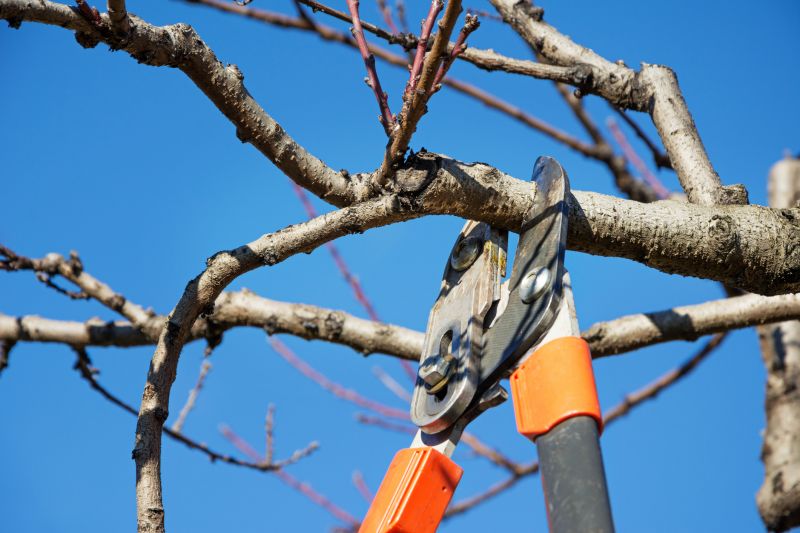
Removing dead or diseased branches promotes overall tree health and prevents the spread of pests.
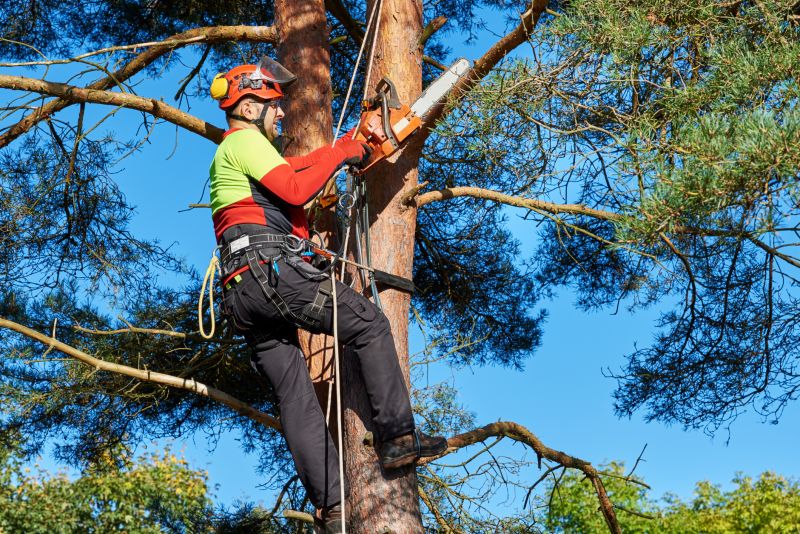
Trimming overhanging or hazardous branches reduces risk to people and property.
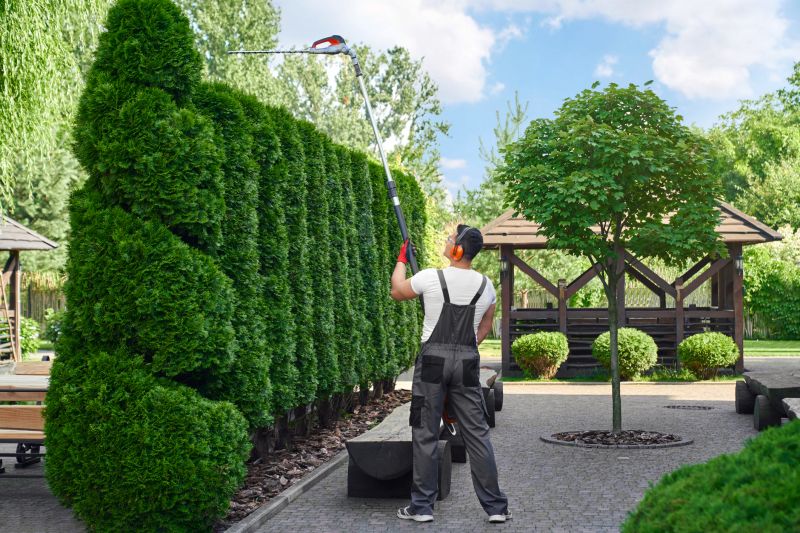
Proper trimming shapes the tree and enhances the landscape's visual appeal.
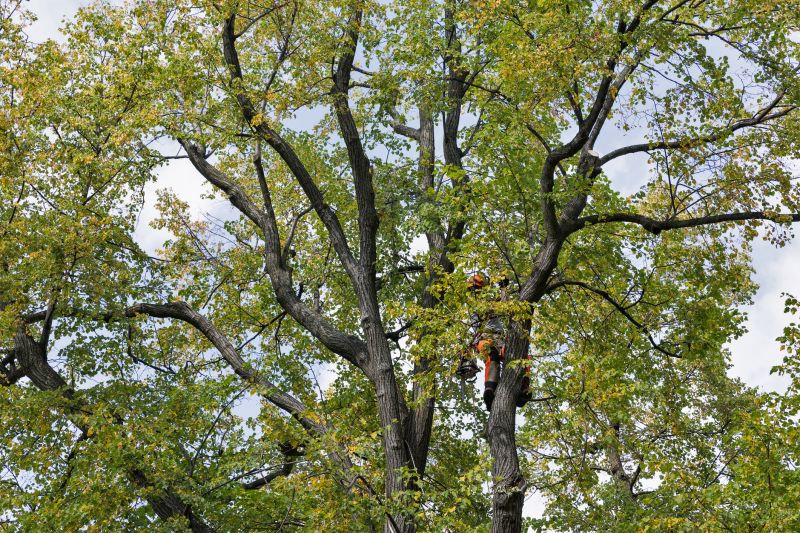
Selective removal of branches allows better light penetration and airflow.
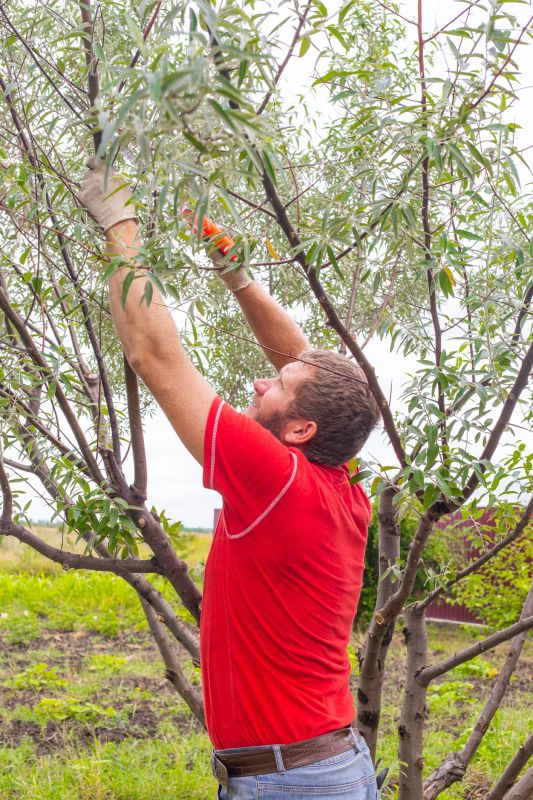
Improves the strength and stability of the tree, preventing future damage.
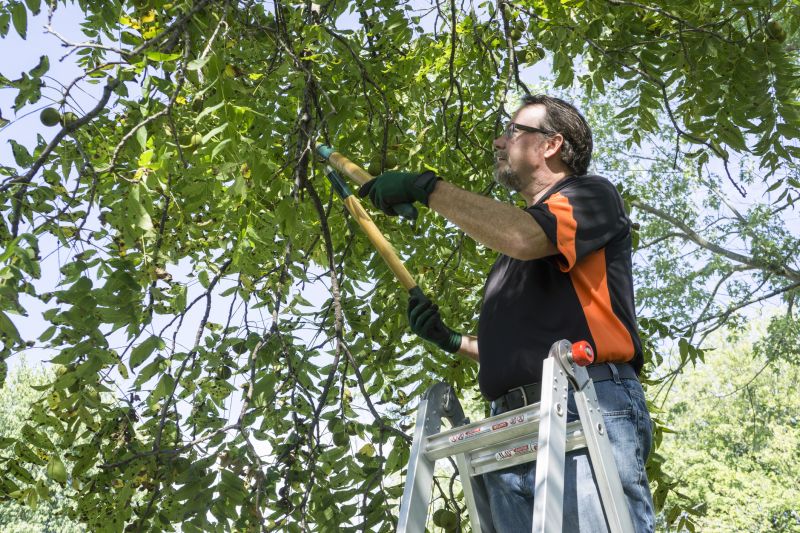
Guides young trees into desired shapes for future growth and stability.
| Benefit | Description |
|---|---|
| Improved Tree Health | Removing damaged branches helps prevent disease and promotes vigorous growth. |
| Enhanced Safety | Trimming reduces the risk of falling limbs that could cause injury or property damage. |
| Aesthetic Appeal | Well-maintained trees contribute to a more attractive landscape. |
| Increased Sunlight | Pruning allows more sunlight to reach lower branches and surrounding plants. |
| Property Value | Healthy, well-shaped trees can increase property appeal and value. |
| Longer Tree Lifespan | Regular trimming supports the longevity of trees by preventing structural issues. |
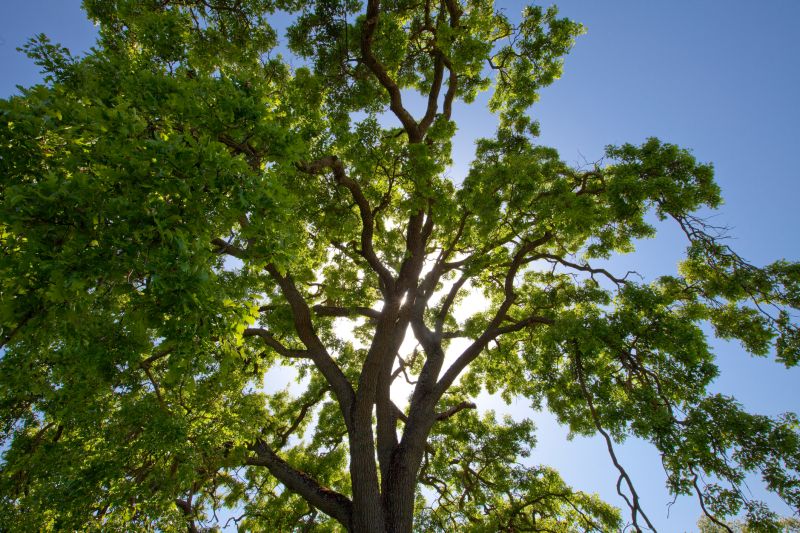
Reduces the size of the tree's canopy to prevent interference with structures or power lines.
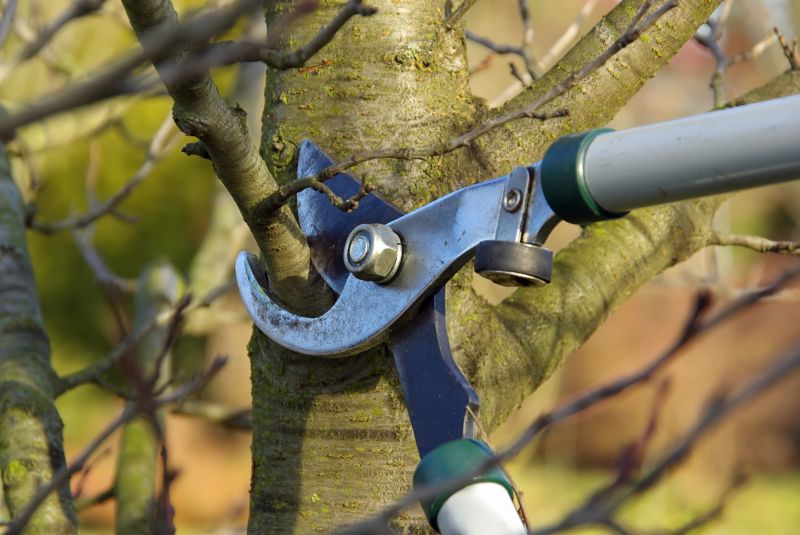
Removes selected branches to decrease density and improve airflow.
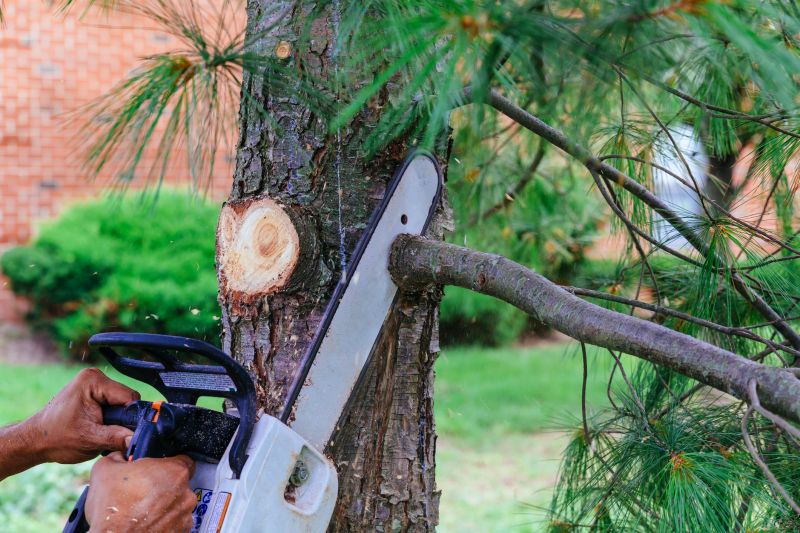
Eliminates dead or decaying branches to prevent breakage and disease.
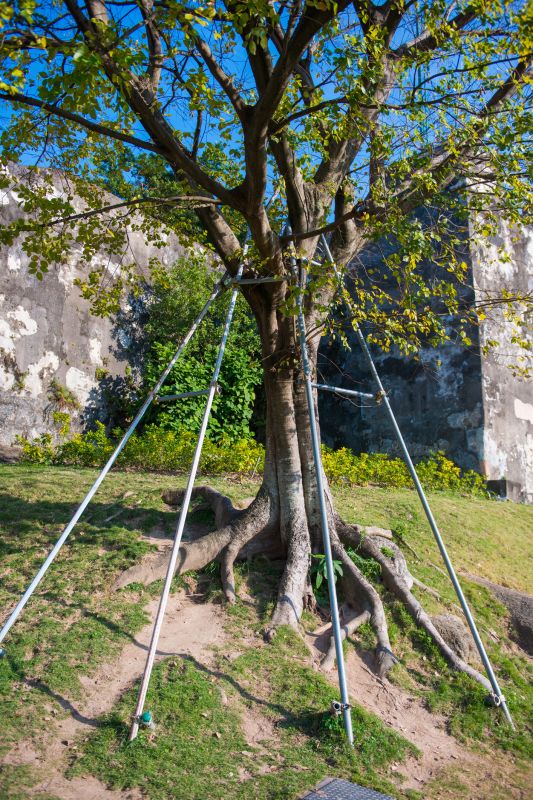
Creates a balanced and stable form for aesthetic and safety purposes.
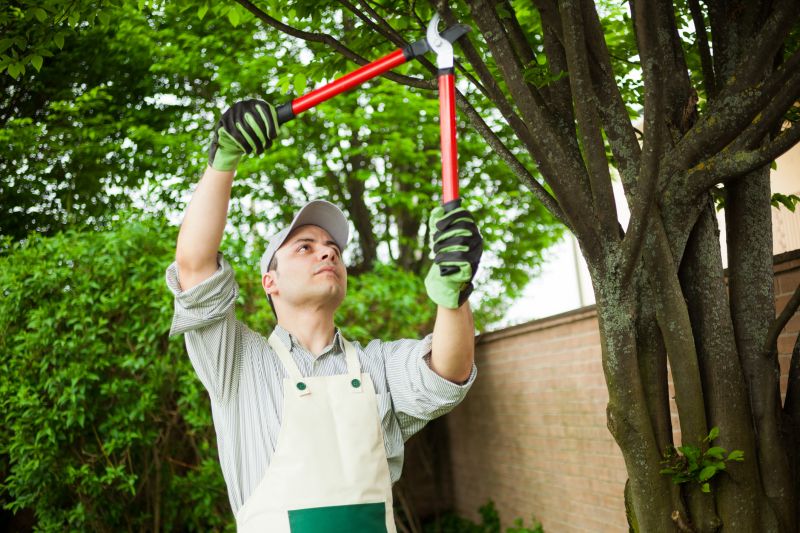
Preemptively trims weak or vulnerable branches before storms occur.
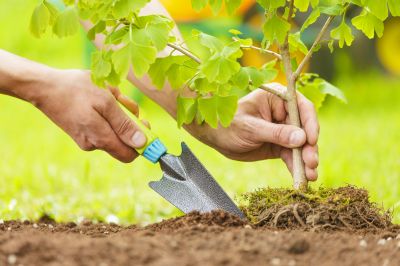
Guides growth patterns in young trees for optimal development.
Arborists play a vital role in tree trimming by applying specialized knowledge to assess each tree's structure and health. They evaluate the condition of branches, identify potential hazards, and determine the most appropriate pruning techniques. Arborists use their expertise to perform precise cuts that promote healthy growth and prevent damage. Their training allows them to recognize signs of disease, pest infestation, and structural weakness. Arborists also consider the long-term health of the tree, ensuring that trimming practices support its natural development. Employing an arborist ensures that tree trimming is conducted safely and effectively, minimizing risks to property and people.
Hiring an arborist for tree trimming offers numerous benefits. Their professional assessment helps prevent potential hazards caused by falling branches or unstable trees. Arborists are skilled at performing precise cuts that enhance the tree's structure and health. They can identify underlying issues that might not be visible to the untrained eye, allowing for targeted interventions. Proper trimming by an arborist can extend the lifespan of trees and improve landscape aesthetics. Additionally, their expertise ensures compliance with local regulations and safety standards. Engaging a qualified arborist provides peace of mind that trees are maintained responsibly and effectively.
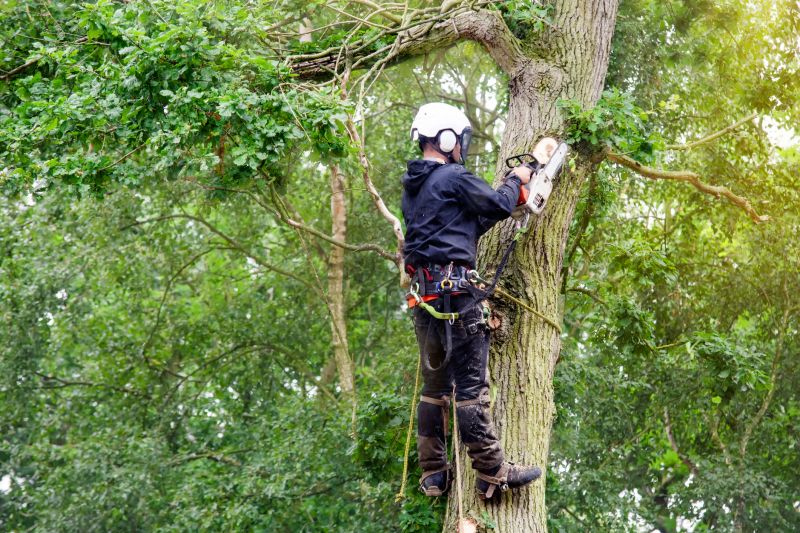
Experienced arborists utilize specialized tools and techniques for safe, effective trimming.
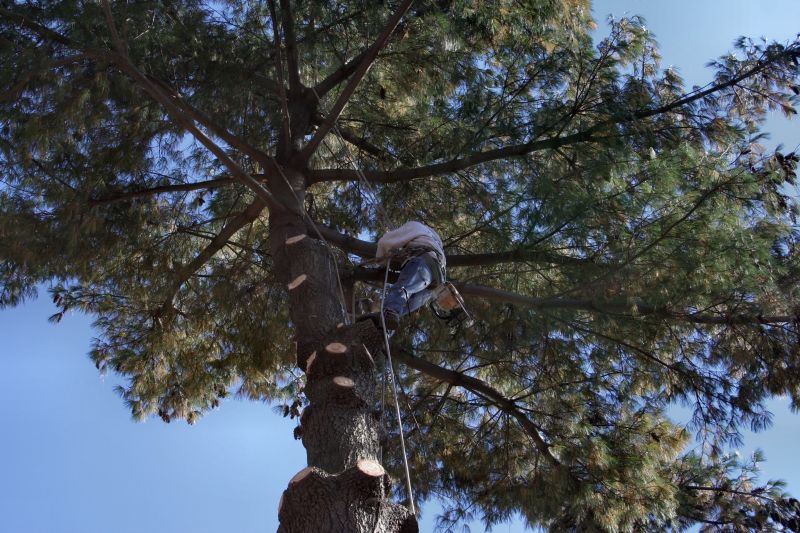
Arborists evaluate tree health and structure to determine the best trimming approach.
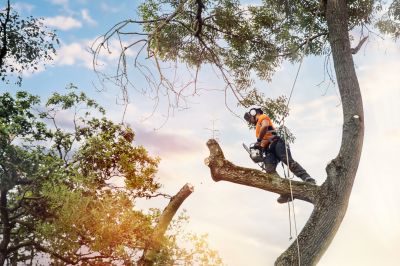
Professional trimming reduces risks associated with falling branches and structural failure.
Engaging a professional arborist for tree trimming ensures that the work is performed with precision and care. Their expertise minimizes potential damage to the tree and surrounding landscape. Arborists follow industry best practices to promote healthy growth and structural integrity. They also adhere to safety standards to protect property and personnel during the trimming process. Properly maintained trees contribute to a safer environment and a more attractive property appearance. For those seeking reliable, expert tree care, hiring a licensed arborist is a prudent choice for long-term landscape health.
Interested in professional tree trimming services? Contact today to receive a personalized quote and ensure your trees receive the expert care they deserve.